Imagine a classroom where children are encouraged to explore, experiment, and learn at their own pace, all while having a blast. That’s the essence of Montessori education, and Washington is home to some of the best programs around. With a blend of structured learning and independent exploration, Montessori schools aim to foster a love of learning that stick with kids long after they leave the classroom. In this text, we’ll investigate into the world of Washington Montessori, exploring its unique approach, benefits, and options available across the state. Buckle up, because education is about to get fun.
What Is Montessori Education?
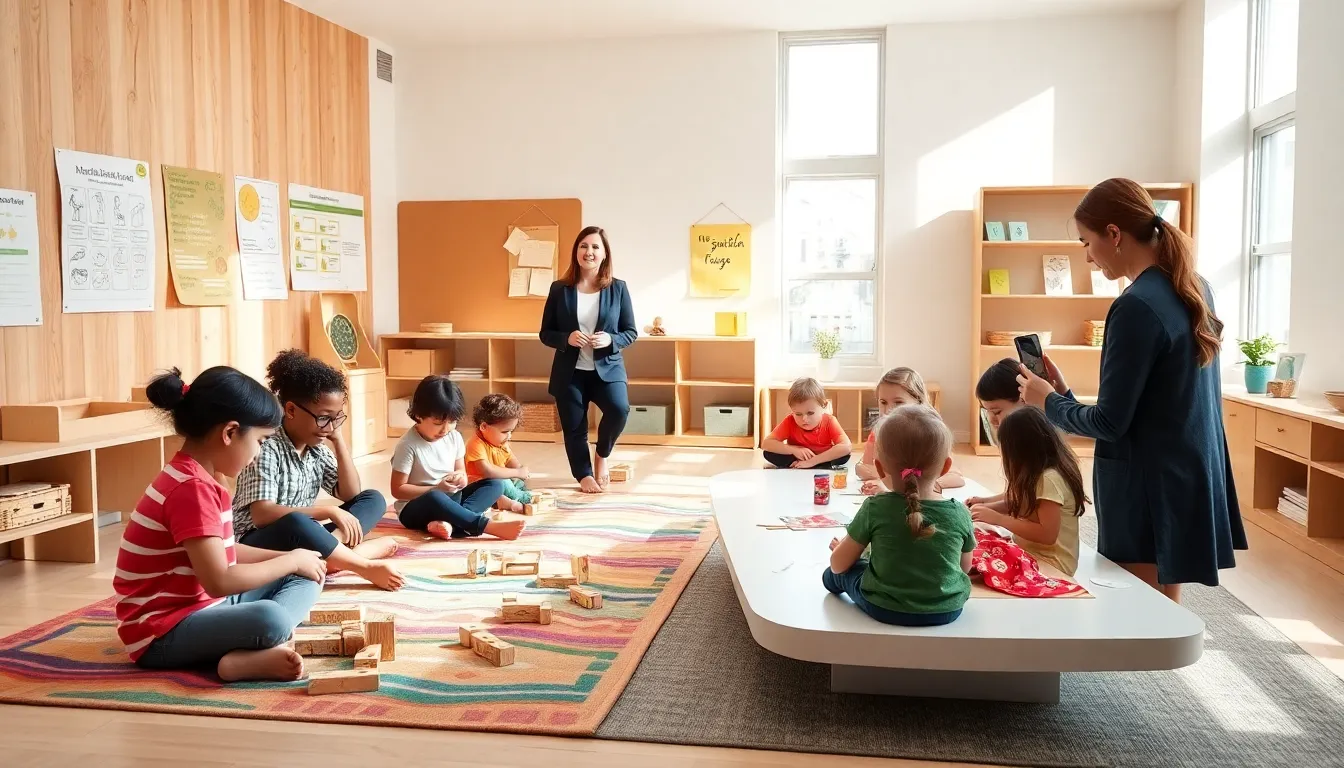
Montessori education is a dynamic approach to learning that emphasizes self-directed activity on the part of the child and respects their natural psychological, physical, and social development.
History and Philosophy of Montessori
Montessori education began in the early 1900s, spearheaded by Dr. Maria Montessori, an Italian physician and educator. She believed that children learn best in a supportive environment that nurtures their curiosity. The philosophy revolves around the idea that education should foster independence and respect for a child’s natural development.
The core foundation of Montessori education lies in creating a child-centered learning environment. Classrooms are designed to be inviting, with accessible materials and resources. This setup allows children to choose their activities, promoting a sense of ownership over their education.
Core Principles of Montessori Education
At the heart of Montessori education are key principles: child-led learning, mixed-age classrooms, and hands-on learning experiences. The focus is less on standardization and more on cultivating intrinsic motivation. Children engage with materials directly, which allows for deeper understanding and retention of concepts. In Montessori settings, educators act as guides, facilitating opportunities for children to discover knowledge for themselves.
Montessori vs. Traditional Education
While traditional education typically emphasizes a structured curriculum, standardized testing, and teacher-directed instruction, Montessori education opts for a radically different approach. In a traditional classroom, children move in unison, often at the teacher’s pace. This can stifle creativity and self-expression.
Conversely, Montessori education encourages children to work at their own pace. Each child’s unique interests and abilities guide their learning path. Also, mixed-age classrooms allow younger children to learn from older peers while older children reinforce their knowledge through teaching, creating a collaborative learning environment.
In traditional settings, the teacher often serves as the primary source of knowledge. In Montessori environments, educators step back to allow students to lead their own exploration. This shift creates enthusiastic learners who take responsibility for their education, skills that prove valuable throughout life.
Benefits of Montessori Education in Washington
The benefits of Montessori education in Washington extend beyond the classroom walls. Children develop strong critical thinking skills, self-discipline, and a genuine love for learning. Research suggests that Montessori students often excel academically, particularly in areas of creativity and social skills.
Types of Montessori Programs Available
Washington offers a diverse range of Montessori programs to fit various family needs and educational philosophies. From full-day schools to part-time options, parents can find a program that works for their schedule. Also, many schools incorporate outdoor learning, integrating nature into education. Parent co-operative programs allow families to be more directly involved in their child’s education, further enhancing the community aspect of learning.
Montessori Schools in Washington: A Look at Options
With a growing number of Montessori schools across Washington, parents have many choices when it comes to selecting the right program. Each school has its own unique flavor and educational offerings, so understanding the options is crucial.
Factors to Consider When Choosing a Montessori School
When choosing a Montessori school, consider factors like the school’s philosophy, teaching staff qualifications, and the availability of resources and materials. Visit the schools, ask about their approach to education, and observe a classroom in action. It’s essential to find a school that aligns with your family’s values and your child’s learning style.
Enrollment and Admission Process
Enrollment processes differ from school to school. Most require an application and sometimes a visiting day for prospective students. Parents should keep track of deadlines and be prepared for possible waitlists, as popular programs can fill quickly. It’s wise to apply early and stay informed about each school’s requirements.
Community and Parental Involvement
In Montessori education, community and parental involvement are crucial. Schools often encourage parent participation in various forms, including volunteer opportunities, workshops, and family events. This active participation helps strengthen the bond between families and educators, creating a supportive network that benefits children’s education. When parents engage with teachers and school activities, it also fosters an understanding of the Montessori approach and enhances the educational experience. This involvement provides parents with insights into their child’s learning process, ensuring everyone is on the same page.