Ever wondered how to raise a child who thrives on curiosity and independence? Welcome to the world of Alcuin Montessori. This innovative approach to education brings a breath of fresh air into the traditional classroom. Picture this: instead of forcing kids to sit still at desks, they explore, experiment, and genuinely engage with their environment. In this journey through the principles and practices of Alcuin Montessori, you’ll discover how this educational method transforms students into empowered learners, ones who are excited about discovering the world around them.
The Philosophy Behind Alcuin Montessori
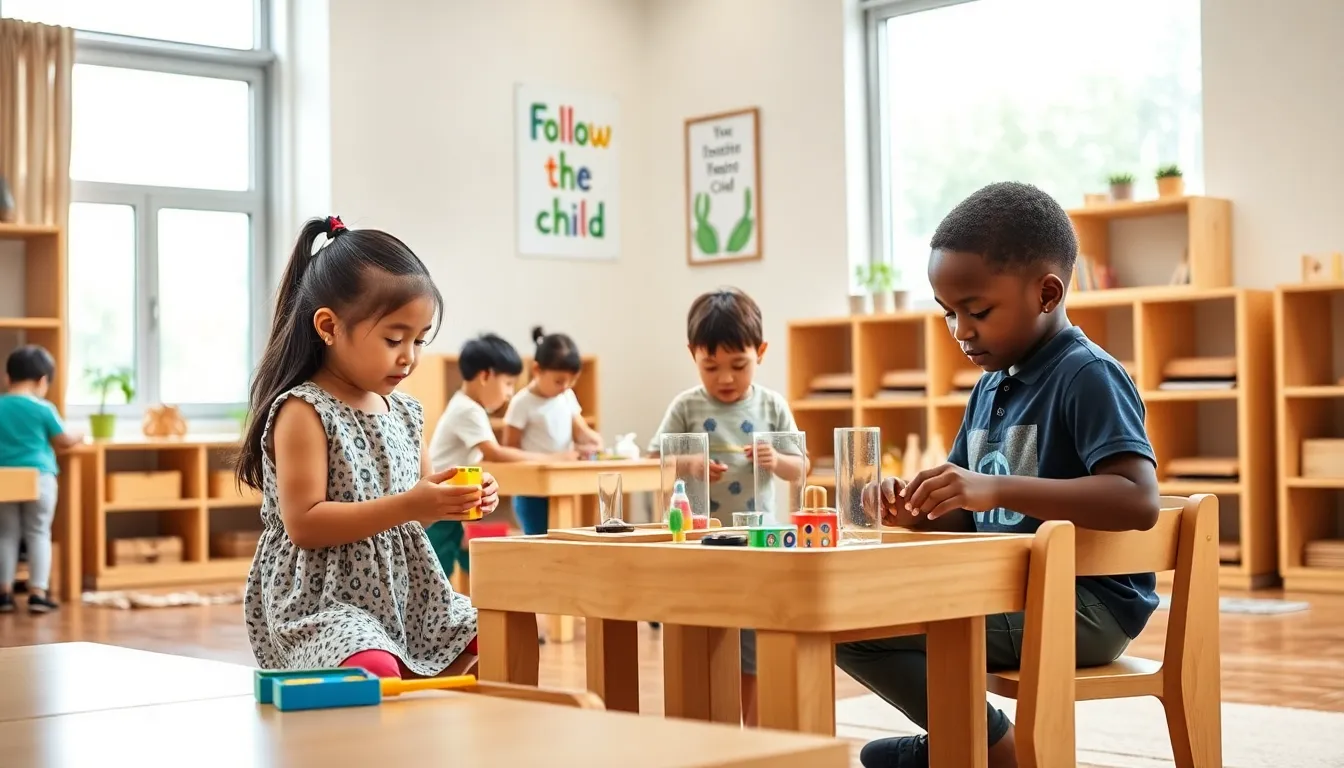
At its core, the philosophy of Alcuin Montessori emphasizes respect for each child’s individuality. It’s grounded in the belief that learning should be a natural process, driven by each student’s innate curiosity. Unlike traditional education methods that may lean heavily on rote memorization, this philosophy encourages cognitive development through exploration. Children are not merely recipients of information: they become active participants in their learning journey. This concept is often encapsulated in the phrase, “Follow the child,” underscoring the importance of catering to each child’s unique interests and pace.
History and Evolution of Montessori Education
Montessori education traces its roots back to the early 1900s, thanks to Dr. Maria Montessori. Her groundbreaking insights into child development laid the foundation for this unique educational approach. Initially designed for underprivileged children in Rome, the Montessori method quickly garnered attention for its effectiveness in promoting independent learning. Over the decades, the approach has evolved, adapting to educational needs and cultural shifts. Today, Alcuin Montessori stands as a modern interpretation of Montessori principles, blending tradition with contemporary educational practices.
Core Principles of Alcuin Montessori
Alcuin Montessori is built on several core principles that guide its educational practices. 1. Child-Centered Learning: Everything revolves around the child, ensuring materials and activities resonate with their interests. 2. Hands-On Learning: Practical experiences through materials engage children’s senses, enhancing understanding and retention. 3. A Prepared Environment: Classrooms are designed to be inviting and stimulating, encouraging exploration and interaction. 4. Mixed Age Grouping: By grouping children of varied ages, older students can mentor younger peers, fostering community and leadership skills. These principles empower children to take charge of their learning journey, fostering a love for knowledge that lasts a lifetime.
How Alcuin Montessori Adapts to Changing Educational Needs
In a rapidly changing world, Alcuin Montessori shines by adapting to the evolving needs of education. With technology playing an ever-increasing role, classrooms integrate digital tools while maintaining the hands-on nature of learning. Learning spaces are reimagined to accommodate collaboration, creativity, and innovation. This adaptability doesn’t compromise the foundational Montessori principles: instead, it enriches them. Children still engage with tangible materials but can also explore new technologies, preparing them for the demands of the 21st century.
The Role of Educators in Alcuin Montessori
Educators in Alcuin Montessori serve as guides rather than traditional instructors. They observe students closely, understanding their interests and individual learning styles. This observation helps in tailoring lessons that challenge and inspire each child. Instead of directing every moment, teachers encourage autonomy, allowing children to make choices within a structured environment. This unique dynamic fosters trust between teachers and students, promoting a positive and respectful learning atmosphere.
Parent Involvement and Community Engagement
Alcuin Montessori recognizes that education extends beyond the classroom. Parent involvement is crucial in a child’s learning experience. Families are encouraged to participate in school activities, workshops, and discussions, creating a strong community around education. This partnership reinforces the values taught in school, ensuring that children receive consistent support at home and in their learning environment. Also, community engagement opens doors for collaboration and resources, enriching the overall educational experience.