Ever wondered what sets Montessori education apart from traditional methods? Picture this: a classroom buzzing with creativity, children deeply engaged in their own discoveries, and educators guiding rather than lecturing. Isn’t that a breath of fresh air in the realm of early education? Welcome to Stepping Stones Montessori. With a unique philosophy that emphasizes independence and community, this institution is redefining how young minds learn. From practical skills to collaborative projects, let’s jump into the world of Stepping Stones Montessori and discover why it’s a choice worth considering for your child’s early education.
What Is Montessori Education?
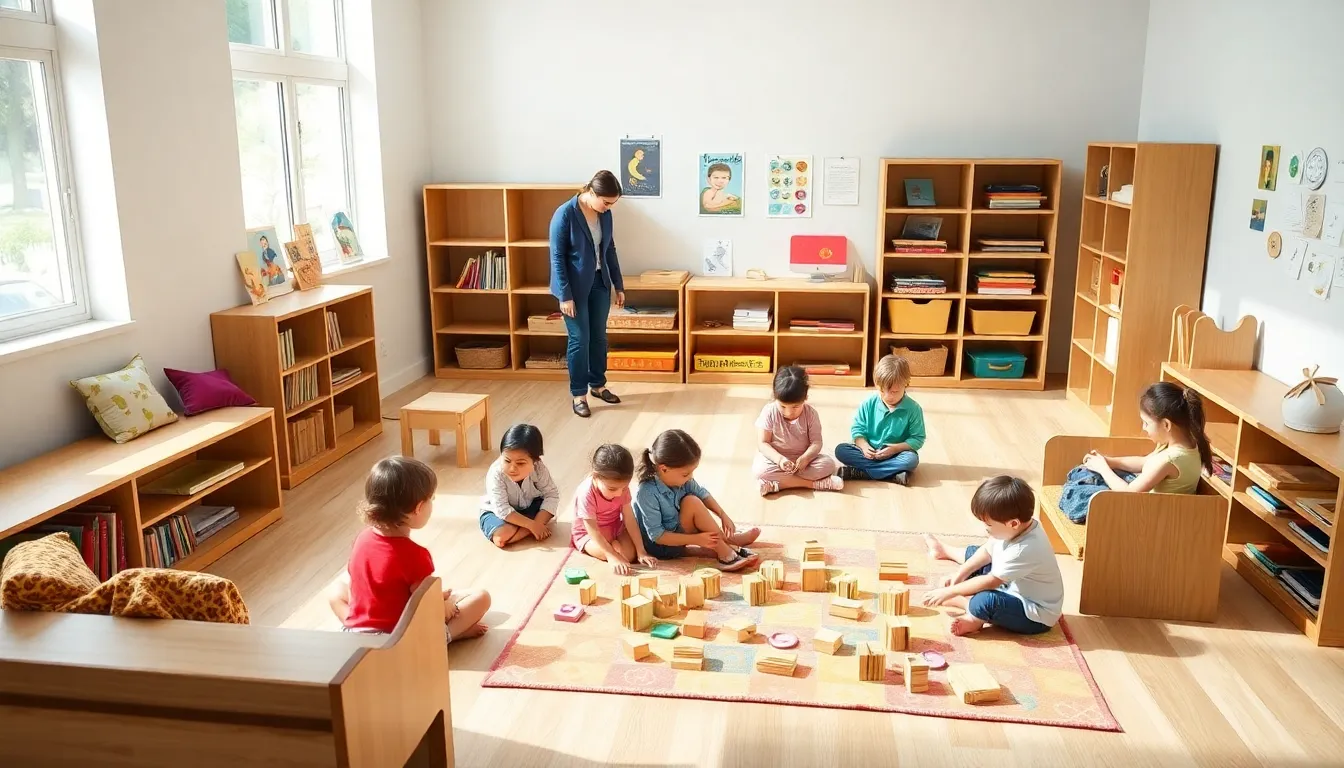
Montessori education is a child-centered approach developed by Dr. Maria Montessori over a century ago. It’s grounded in the understanding of how children learn and grow best through exploration and hands-on experiences.
Core Principles of Montessori Learning
At the heart of Montessori education lie a few guiding principles. First, the idea that children learn at their own pace is paramount. Rather than a one-size-fits-all curriculum, Montessori allows children to choose their activities, fostering intrinsic motivation. Independence is another cornerstone: kids are encouraged to make choices and learn self-sufficiency, preparing them for life’s challenges ahead. Finally, the importance of a prepared environment cannot be overstated. Classrooms are designed to be inviting and accessible, promoting autonomy and learning for every child.
The Role of the Educator in Montessori
In a Montessori setting, educators wear many hats. They are not just teachers: they are guides, observers, and mentors. Their role is to create an enriching environment where children feel safe to explore. Instead of traditional lecturing, educators observe each child’s interests and developmental needs, tailoring their support accordingly. This fosters a unique relationship where children view their educators as partners in learning.
Why Choose Stepping Stones Montessori?
Stepping Stones Montessori stands out for several compelling reasons, but two aspects truly shine: nurturing individuality and fostering a sense of community.
Nurturing Individuality and Independence
At Stepping Stones Montessori, every child’s unique strengths and interests are celebrated. Educators prioritize individual learning styles, allowing children to engage in activities that resonate with them. This personalized approach nurtures confidence and encourages independence. Imagine children confidently resolving problems, making decisions, and exploring interests that might bloom into lifelong passions.
Fostering Community and Collaboration
Montessori philosophy doesn’t just focus on individual growth. At Stepping Stones, collaboration and community-building are fundamental. Children of varied ages work and learn together, fostering respect and empathy while enhancing social skills. They learn that teamwork is vital, preparing them for future collaborations in school and beyond.
Curriculum Overview at Stepping Stones Montessori
The curriculum at Stepping Stones Montessori is rich, diverse, and designed to engage children holistically. It encompasses various domains, ensuring that every child develops crucial life skills.
Practical Life Skills Development
One of the standout features of the curriculum is Practical Life Skills development. Children participate in activities like pouring, sorting, and gardening. These tasks not only build fine motor skills but also instill a sense of responsibility as children learn to care for their surroundings and each other.
Sensorial Exploration and Discovery
Next comes Sensorial exploration. Children engage with materials that isolate specific qualities like color, texture, and sound. This exploration enhances their ability to observe and categorize the world around them, sharpening their senses and enriching their vocabulary in the process.
Language and Literacy in Montessori
Language and literacy development flourishes in an environment that encourages expression. Children engage in storytelling, singing, and even language games that build vocabulary and comprehension. Reading and writing are introduced through hands-on experiences, making learning both engaging and effective.
Mathematics Through Hands-On Learning
Mathematics in Montessori involves tangible, hands-on learning experiences. Children use concrete materials to explore numbers and operations. This approach demystifies math, ensuring children grasp concepts deeply, making them feel confident in their abilities.
Preparing Children for the Future
Stepping Stones Montessori goes beyond immediate educational goals. It prepares children for the future by instilling a love for learning and essential skills for lifelong success.
Building Lifelong Learners
The aim is to create not just students but lifelong learners. With an emphasis on curiosity, critical thinking, and problem-solving, children are equipped to navigate a rapidly changing world. They learn to ask questions, seek answers, and pursue knowledge, ensuring they remain engaged and adaptable throughout their lives.
Testimonials from Parents and Educators
Nothing speaks louder than the voices of those who’ve experienced Stepping Stones Montessori firsthand.
Parents rave about the transformation they see in their children. They report that their kids become more confident, articulate, and capable of expressing their feelings and opinions.
Educators appreciate the collaborative atmosphere that embraces professional growth. They often mention how rewarding it is to witness children thrive in an environment where they feel safe to explore and express themselves. The testimonials echo a consistent theme: Stepping Stones Montessori fosters a joyful, engaging, and holistic learning experience.