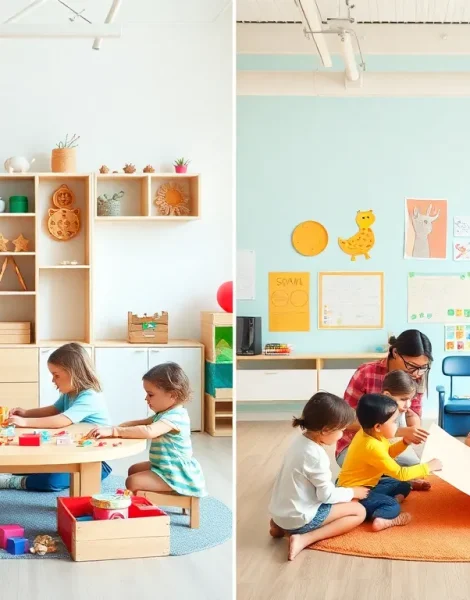
So, you’re torn between Montessori and Reggio Emilia? Welcome to the club. It’s a debate as lively as trying to find a toddler’s lost favorite toy amidst an avalanche of building blocks. Both educational approaches promise a vibrant learning environment, but they do so through distinct philosophies. Understanding these differences can be key to unlocking your child’s potential. Let’s immerse and see which might be the right fit for your little one.
Understanding the Montessori Method
Core Principles of Montessori Education
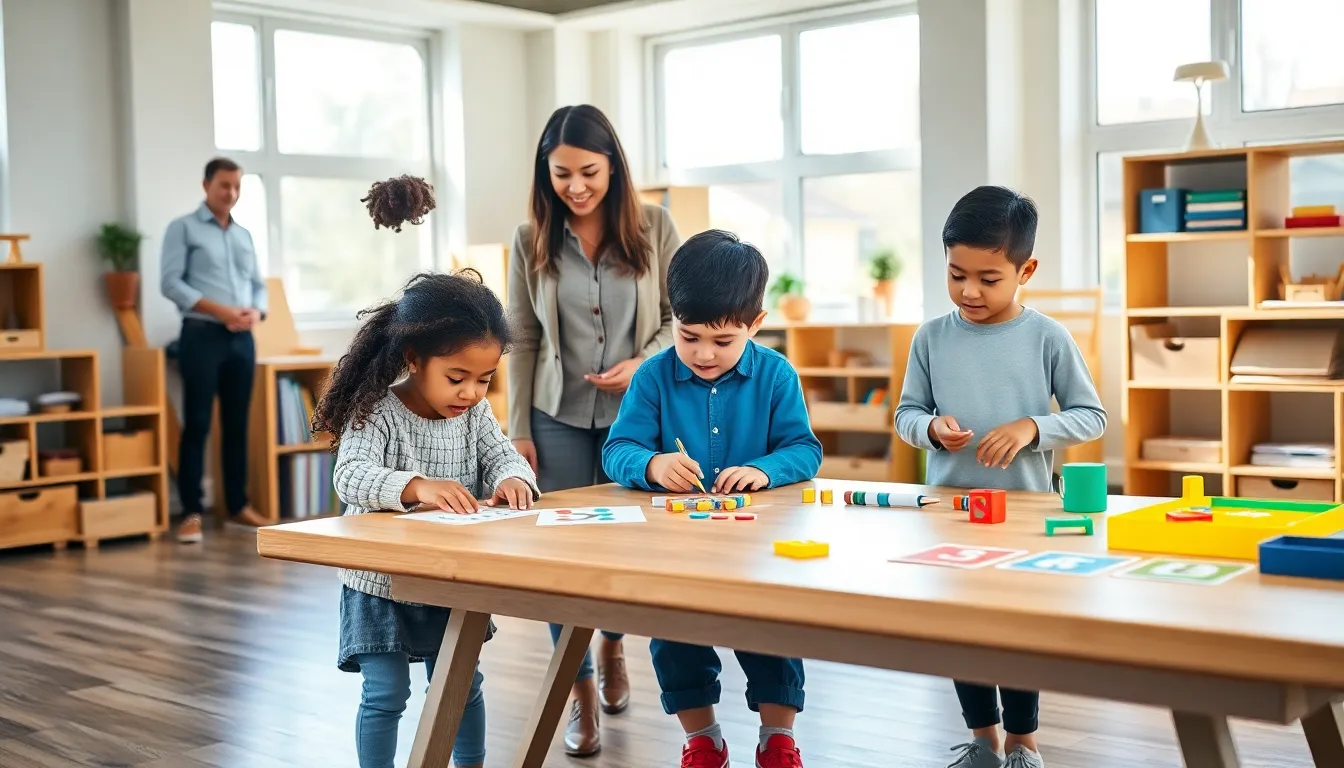
The Montessori method is grounded in the belief that children learn best in environments that foster independence and self-directed activity. It emphasizes hands-on learning, where children engage with specially designed materials. The curriculum adapts to each child’s interests and abilities, promoting exploration rather than rote memorization. Children are encouraged to pursue their own passions, developing natural curiosity in the process.
Role of the Teacher in Montessori
In Montessori classrooms, the teacher acts as a guide rather than a traditional instructor. They help learning by carefully observing each child and providing appropriate resources when needed. This allows children to thrive at their own pace while encouraging them to take ownership of their educational journey. The relationship between teacher and student fosters a sense of respect and collaboration.
Learning Environment in Montessori
The learning environment is meticulously prepared to ignite curiosity. Classrooms are typically filled with various learning stations that cater to different subjects like math, language, and science. Each area is designed to encourage exploration and discovery, and children can move freely between them. This setup not only keeps learners engaged but also promotes social interaction.
Understanding the Reggio Emilia Approach
Core Principles of Reggio Emilia Education
Reggio Emilia’s philosophy hinges on the belief that children are strong, capable, and rich in potential. It emphasizes creativity and collaboration, allowing children to express themselves through multiple languages, be it verbal, artistic, or even musical. The curriculum is not pre-planned but evolves based on the interests and observations of the children, promoting a deeply personal learning experience.
Role of the Teacher in Reggio Emilia
Teachers in Reggio Emilia serve as co-learners and collaborators. They observe children’s interactions and guide their inquiries, encouraging questions that lead to deeper understanding. This support helps children explore their thoughts and feelings, fostering an atmosphere of respect and shared discovery. The dynamic between teacher and student is highly interactive and supportive.
Learning Environment in Reggio Emilia
The learning environment in Reggio Emilia is often described as a “third teacher.” Classrooms are vibrant, filled with natural light and inviting materials that spark interest and creativity. Children often work in small groups, collaborating on projects that can span days or weeks, facilitating teamwork and deeper learning. This highly interactive space nurtures both individual exploration and social play.
Key Differences Between Montessori and Reggio Emilia
Philosophical Foundations
While both approaches champion child-led learning, their underlying philosophies differ significantly. Montessori emphasizes independence, encouraging children to follow their interests in a structured environment. Conversely, Reggio Emilia views learning as a communal experience. Here, collaboration and dialogue are paramount as children explore their ideas together, supported by their peers and teachers.
Curriculum and Learning Styles
Montessori’s curriculum is often more structured, featuring specific learning materials that cater to developmental milestones. In contrast, Reggio Emilia is fluid and project-based. It thrives on children’s interests, allowing topics to evolve organically. This influences the way children absorb information and interact with various subjects.
Community and Parental Involvement
Parental involvement tends to vary quite a bit between the two. In Montessori settings, parents are often encouraged but may play a less active role in classroom activities. Meanwhile, Reggio Emilia strongly values community involvement, expecting parents to participate actively in their children’s learning experiences. This sense of community fosters deeper connections among parents, teachers, and students.
Which Approach is Right for Your Child?
Factors to Consider
Choosing between Montessori and Reggio Emilia is no small feat and will depend largely on your child’s needs and personality. If they thrive in structured environments where they can explore independently, Montessori might be the way to go. Alternatively, if they flourish in collaborative settings that emphasize creativity, Reggio Emilia could be the perfect match. Consider visiting both types of schools and even speaking with teachers to gauge which environment feels right.
Navigating Options in Early Childhood Education
With a myriad of early childhood education options available, parents often feel overwhelmed. While both Montessori and Reggio Emilia offer solid foundations for personal and academic development, knowing how your child learns best can guide you in making the right decision. Exploring local options, attending open houses, and asking questions can help you choose a path that aligns with your child’s unique learning style.