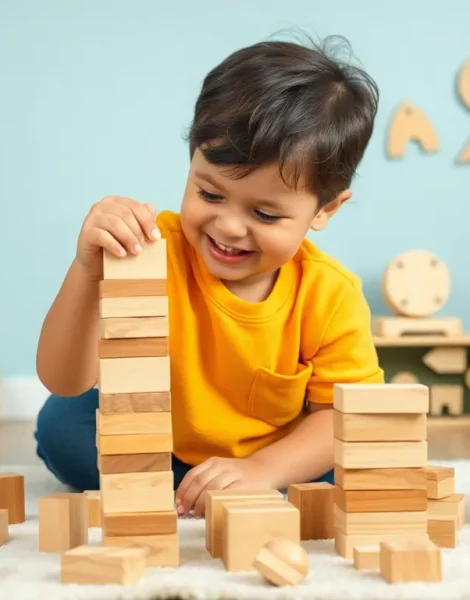
In a world where toddlers seem to have an endless supply of energy and curiosity, finding the right toys can feel like searching for a needle in a haystack. Enter Montessori toys—designed not just to entertain but to educate. These gems don’t just make noise; they spark creativity and encourage independent play.
Imagine a toy that’s not only fun but also helps little ones develop essential skills like problem-solving and fine motor coordination. Sounds like magic, right? Well, it’s all in the Montessori philosophy, which champions hands-on learning. With the right Montessori toys, parents can transform playtime into a delightful adventure that keeps toddlers engaged and learning. Who knew that fostering a love for learning could be this entertaining?
Overview of Montessori Toys for Toddlers
Montessori toys for toddlers promote active participation and hands-on engagement. Designed with the principles of the Montessori method, these toys encourage exploration and independent play. They often feature natural materials such as wood, which provide a tactile experience while fostering sensory development.
Many Montessori toys enhance essential skills. Activities like stacking, sorting, and constructing help improve fine motor skills and hand-eye coordination. Problem-solving capabilities also receive a boost as toddlers encounter challenges during play.
Diverse options exist within this category. Toys can range from simple building blocks to intricate puzzles, each catering to various developmental stages. Interactive toys that require manipulation stimulate curiosity and encourage toddlers to think critically.
Social interaction benefits from group play with Montessori toys. Sharing toys promotes cooperation and helps develop communication skills. Engaging with peers fosters a collaborative environment, laying the foundation for strong social connections.
Montessori toys align with educational goals. They inspire creativity and imagination through open-ended play. Children can explore their interests freely, paving the way for lifelong learning. Emphasizing learning through experience, these toys create enriching environments for toddlers.
Selecting the right Montessori toys involves considering individual preferences and developmental needs. Parents can observe their child’s interests in order to choose suitable options. Whether through art, music, or construction, the variety ensures every toddler finds something that resonates with them.
Benefits of Montessori Toys
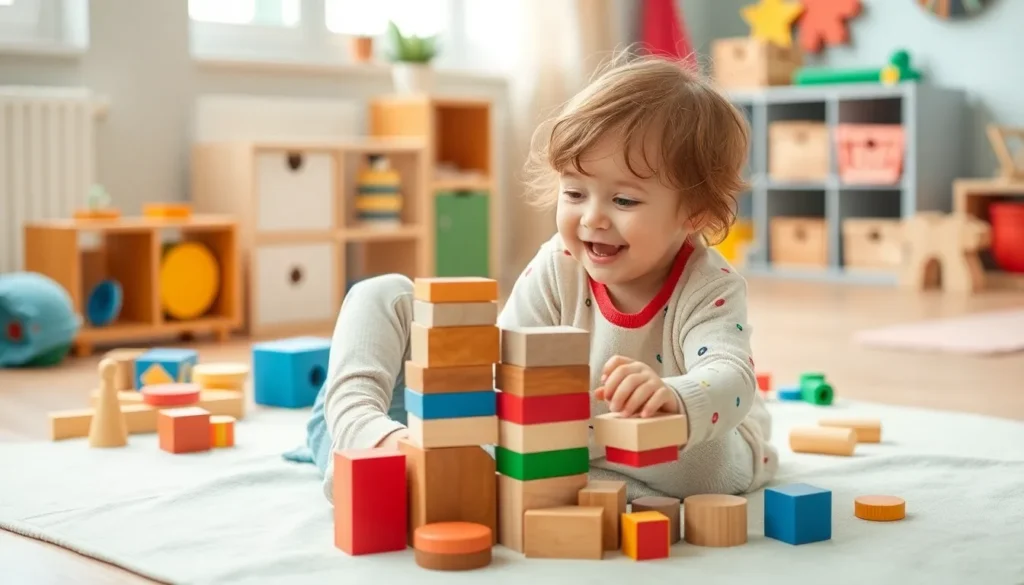
Montessori toys offer numerous advantages for toddlers’ development. These toys enrich playtime experiences with educational elements that support growth.
Enhancing Cognitive Development
Montessori toys stimulate cognitive skills. Engaging with puzzles or building blocks encourages problem-solving and critical thinking. Children learn about cause and effect through hands-on exploration. They also practice decision-making by choosing different activities. These experiences create a solid foundation for future learning. Exposure to various shapes, colors, and sizes helps develop spatial awareness. Montessori toys promote independent thinking, allowing toddlers to explore concepts at their own pace. Substantial focus on open-ended play nurtures creativity, helping children to think outside the box.
Promoting Motor Skills
Montessori toys significantly enhance motor skills. Activities like stacking, threading, and sorting build fine motor coordination. Grasping and manipulating toys strengthens hand muscles, preparing toddlers for tasks like writing. Engaging with various textures engages senses, promoting tactile exploration. Moving pieces during play also enhances hand-eye coordination. Children develop balance and dexterity through climbing and rolling toys. Opportunities for collaborative play support social skills alongside physical development. Overall, these toys provide a rich environment for toddlers to refine their motor abilities while enjoying meaningful play.
Types of Montessori Toys
Montessori toys come in various types that cater to toddlers’ developmental needs. Each type emphasizes engagement and learning.
Practical Life Toys
Practical life toys emphasize everyday skills through interactive play. Items like child-sized kitchen utensils, lacing beads, and dolls allow toddlers to mimic adults. By participating in practical activities, children learn responsibility and coordination. These toys enhance fine motor skills and instill confidence as toddlers accomplish tasks independently. Choosing toys that reflect real-life skills encourages toddlers to explore their environment.
Sensory Toys
Sensory toys offer diverse textures, sounds, and colors for toddlers to explore. Materials such as wooden blocks, fabric squares, and sensory bins engage young learners. Through these toys, children develop tactile awareness and stimulate their senses. Sensory play fosters cognitive development and encourages curiosity about the world. Selecting toys with varying properties helps toddlers navigate complex sensory experiences.
Construction and Building Toys
Construction and building toys inspire creativity through hands-on construction activities. Wooden blocks, shape sorters, and magnetic tiles allow toddlers to experiment with balance and design. These toys promote spatial reasoning and critical thinking as children construct structures. Collaborating with peers during building projects also enhances social interactions. Opting for open-ended building toys encourages toddlers to express ideas while fostering imaginative play.
Choosing the Right Montessori Toys
Selecting the appropriate Montessori toys enhances toddlers’ learning experiences. Focus on developmental stages and individual interests to ensure an enriching choice.
Age Appropriateness
Age-appropriate toys support toddlers’ skill development. Look for options designed specifically for toddlers aged 1 to 3 years. Toys should match their emerging skills, like simple puzzles for cognitive growth and stacking toys for fine motor coordination. Ensure the toys promote independent exploration while remaining engaging. Manufacturers typically provide age recommendations, so use these as a guide. Choosing toys that encourage curiosity will motivate toddlers to explore and learn effectively.
Safety Considerations
Safety remains a priority when selecting Montessori toys. Choose toys made from non-toxic materials, preferably natural wood, to minimize risks. Avoid small parts that could pose choking hazards for toddlers. Inspect toys regularly for wear or damage; maintaining quality ensures safety during play. Also, check for certifications, such as ASTM or EN71, to guarantee adherence to safety standards. Consistently prioritizing safety allows for worry-free playtime, fostering both learning and exploration.
Choosing Montessori toys for toddlers can transform playtime into a rich learning experience. These toys not only entertain but also nurture essential skills that support holistic development. By focusing on safety and age-appropriateness parents can ensure their children engage with toys that resonate with their unique interests.
With a variety of options available parents can find the perfect fit that encourages creativity and independent exploration. Ultimately, investing in quality Montessori toys lays the foundation for a lifelong love of learning while fostering vital cognitive and social skills.