
When the stork’s delivery plan takes an unexpected detour, an emergency C-section swoops in like a superhero in scrubs. It’s not your typical birthing experience, but sometimes, life throws curveballs that require a quick change of plans. From breech babies to distress signals, the operating room becomes the stage for a dramatic yet crucial moment in childbirth.
In this high-stakes scenario, every second counts, and medical teams are ready to spring into action. While the thought of surgery might send shivers down anyone’s spine, understanding the ins and outs of emergency C-sections can transform fear into confidence. So, buckle up as we explore the what, why, and how of this lifesaving procedure, ensuring both mom and baby get their happily ever after—just with a bit more flair and a lot more medical expertise.
Understanding Emergency C-Section
An emergency C-section occurs when a cesarean delivery becomes necessary due to unforeseen complications during labor. Understanding this procedure can help alleviate concerns and clarify its role in ensuring the safety of both mother and baby.
Definition of Emergency C-Section
An emergency C-section is a surgical procedure performed when vaginal delivery poses immediate risks. Medical professionals typically initiate this operation in situations requiring swift intervention. It allows for quick access to the baby through an incision in the mother’s abdomen and uterus. Timing plays a critical role, as urgency determines how rapidly the surgery occurs after complications arise. This procedure aims to address life-threatening conditions for the mother or child, ensuring optimal outcomes for both parties.
Common Reasons for Emergency C-Section
Several scenarios may lead to an emergency C-section. Fetal distress signifies that the baby experiences complications, like an abnormal heart rate, necessitating urgent action. Breech presentation, where the baby is positioned feet-first, can complicate a vaginal delivery. Uterine rupture, occurring when the uterine wall tears, presents a severe risk to both mother and child. Placental abruption happens when the placenta partially or completely separates from the uterus, leading to potential bleeding. Lastly, failure to progress in labor indicates that dilation or descent is inadequate, prompting medical intervention. These situations often require immediate C-section for the safety of both individuals involved.
Risks and Complications
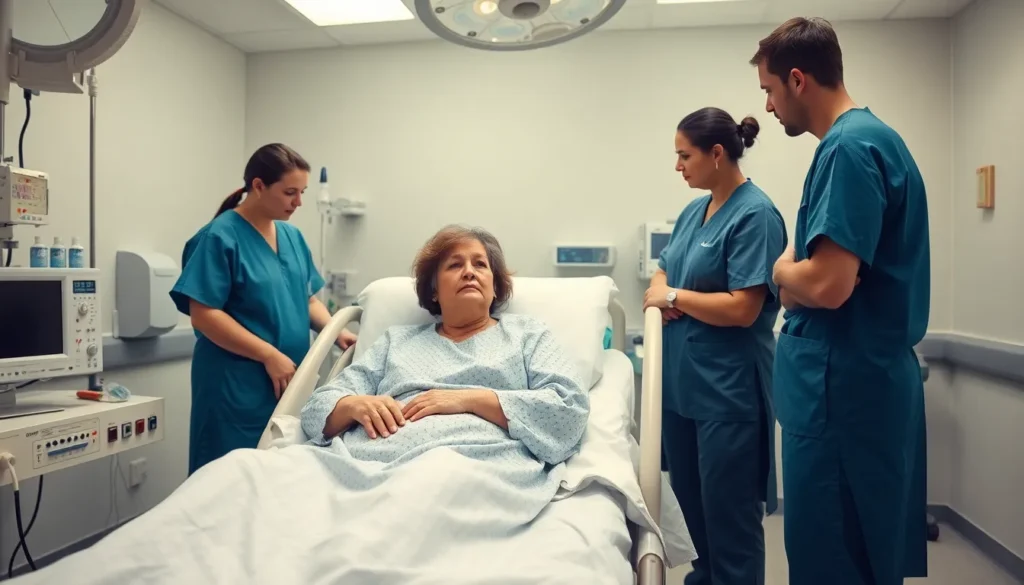
Emergency C-sections can carry risks and complications for both the mother and the baby. Awareness of these potential issues is crucial for informed decision-making in high-stakes situations.
Risks for the Mother
Infection may occur at the incision site, leading to longer recovery times. Blood loss presents another risk, which can vary significantly based on individual circumstances. Surgical complications, like damage to surrounding organs, might arise during the procedure. Anesthesia reactions can also happen, causing additional stress during surgery. Additionally, longer-term issues such as increased likelihood of future C-sections and complications in subsequent pregnancies exist.
Risks for the Baby
Fetal injury might result from the surgical process, although rare. Breathing difficulties can arise due to premature delivery. Neonatal intensive care unit admissions are sometimes necessary, especially in cases involving multiple complications. Transitioning from womb to environment can also lead to challenges in adjustment. Risks of possible long-term health problems exist, depending on the nature of the emergency and the timing of the C-section.
Preparation for Emergency C-Section
Preparation for an emergency C-section involves crucial steps to ensure safety and efficiency. Medical teams work swiftly to assess the patient’s condition and identify immediate needs.
Preoperative Assessments
Preoperative assessments play a vital role in preparing for an emergency C-section. Medical staff conduct thorough evaluations, checking vital signs such as heart rate and blood pressure. Ultrasounds may provide critical information about the baby’s position. Blood tests often assess the mother’s blood type and check for anemia, ensuring compatibility for potential transfusions. Additionally, a review of the mother’s medical history helps identify any existing conditions that may complicate surgery. Swift assessments empower the medical team to make informed decisions and provide timely interventions during the procedure.
Anesthesia Options
Anesthesia options are tailored to the situation during an emergency C-section. Regional anesthesia, typically a spinal block or epidural, numbs the lower body while allowing the mother to remain awake. General anesthesia might be necessary in more urgent cases, ensuring rapid unconsciousness for swift surgical access. Each option carries distinct implications; regional anesthesia often facilitates quicker recovery and bonding with the baby immediately after surgery. Meanwhile, general anesthesia may pose additional risks, including respiratory complications. Anesthesiologists evaluate each case to determine the safest option based on the mother’s health and the urgency of the situation.
Recovery After Emergency C-Section
Recovery after an emergency C-section involves crucial steps for both the mother and newborn. Understanding the process helps manage expectations during this challenging time.
Hospital Stay and Monitoring
Hospital stays after an emergency C-section typically last three to four days. Continuous monitoring ensures the mother’s vital signs remain stable. Nurses frequently assess the incision site for signs of infection. Pain management strategies, including medications, are tailored to individual needs. Newborns remain under observation for any potential complications, including respiratory issues or feeding difficulties. Pediatricians conduct assessments before newborns are discharged. Emotional support is also offered to assist with the transition to parenthood.
Long-Term Recovery Tips
Long-term recovery from an emergency C-section requires patience and careful attention to health. Gradually increasing physical activity supports healing, while light activities can begin once cleared by a healthcare provider. Staying hydrated and maintaining a balanced diet aids in recovery. Additionally, focusing on mental health is essential; considering resources like counseling can be beneficial. Deep breathing exercises promote relaxation and pain relief. Friends and family support can also enhance recovery by providing assistance with daily tasks. Prioritizing rest is vital; ample sleep helps the body heal efficiently.
Emergency C-sections can be daunting but understanding the process can ease anxiety. With skilled medical teams ready to act, these procedures often lead to positive outcomes for both mother and baby. Awareness of potential risks and the importance of preparation can empower expectant parents during unexpected situations.
Recovery may take time but focusing on physical and mental health is essential. Embracing support from healthcare professionals and loved ones can facilitate a smoother transition into parenthood. Ultimately, knowledge and preparedness play vital roles in navigating the complexities of emergency childbirth.