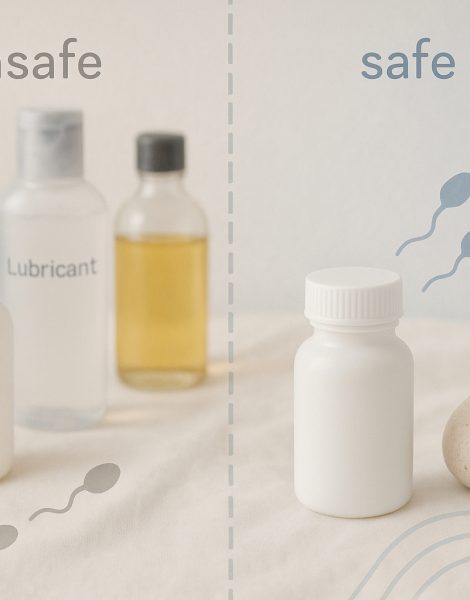
Trying to conceive can feel like a science experiment gone hilariously wrong. With so much advice floating around, it’s easy to overlook one crucial detail: the lubricant. While some products promise to enhance pleasure, others might just throw a wrench in your baby-making plans.
Table of Contents
ToggleUnderstanding TTC and Lubricants
Trying to conceive (TTC) requires careful consideration of various factors, including the choice of lubricant. Many lubricants on the market promote pleasure but contain ingredients that may disrupt sperm motility, impacting fertility.
Some commercial lubricants contain glycerin, which can cause changes in vaginal pH. These changes may affect sperm health and hinder the chances of conception. Other products use petrochemicals, which may create barriers to sperm transport.
Water-based lubricants, while popular, often contain additives that can be detrimental. Certain preservatives and flavors may lead to irritation, swaying the vaginal environment away from being sperm-friendly. Look for options labeled as fertility-friendly to ensure a supportive environment for sperm.
Oil-based lubricants, such as coconut oil, are frequently recommended but may not always be safe. Oil can create barriers that impair sperm movement through the cervix. They can also disrupt the balance of natural flora, leading to infections that affect fertility.
Silicone-based lubricants generally provide more longevity but may act similarly to oil-based options concerning sperm motility. Choose lubricants specifically designed for conception to support optimal chances of pregnancy.
Understanding the impact of various lubricants on fertility is crucial. Knowledge about which products to avoid leads to better decision-making in the TTC journey. Concentrating on fertility-friendly alternatives can significantly enhance the experience while trying to conceive.
Common Lubricants to Avoid When TTC
Certain lubricants can interfere with conception efforts, affecting sperm movement and vaginal health. Below are common types of lubricants to avoid when trying to conceive.
Petroleum-Based Lubricants
Petroleum-based lubricants, commonly found in products like Vaseline, pose risks during conception. These substances create barriers that sperm struggle to penetrate. Users often notice that these lubricants alter the natural vaginal environment, leading to abnormal pH levels. Sperm motility suffers significantly, reducing the likelihood of successful fertilization.
Personal Moisturizers
Personal moisturizers, rather than designed for intimacy, can contain harmful additives. Ingredients like fragrances and dyes may disrupt the vaginal flora, creating an unfriendly environment for sperm. Affected sperm movement leads to challenges during the TTC journey. It’s important to read labels carefully and opt for products specifically designed for fertility instead of general moisturizers.
Glycerin-Based Lubricants
Glycerin-based lubricants, popular for their slippery texture, present complications for fertility. The sugar content in glycerin can promote yeast infections, potentially hindering conception efforts. Additionally, it negatively affects vaginal pH, making it unfavorable for sperm survival. Couples trying to conceive should prioritize fertility-friendly options to support their journey.
Impact on Fertility
Choosing the wrong lubricants during the TTC journey can significantly impact fertility. Understanding how these products interact with reproductive health is essential for those attempting to conceive.
How Lubricants Affect Sperm Mobility
Commercial lubricants may hinder sperm mobility due to their chemical composition. Glycerin and petrochemicals present in many products can create an unfriendly vaginal environment. Such ingredients adversely affect the motility of sperm, making it difficult for them to navigate towards the egg. Notably, oil-based lubricants, including coconut oil, can create physical barriers that obstruct sperm movement. Maintaining optimal pH levels is crucial, as many mainstream lubricants disrupt this balance, further decreasing chances of fertilization.
Potential Hormonal Disruptors
Many popular lubricants might contain ingredients that act as hormonal disruptors. Fragrances, dyes, and certain preservatives often present in these products can interfere with the endocrine system. These additions could potentially alter hormonal levels in both men and women, affecting overall fertility. Avoiding these types of lubricants minimizes exposure to harmful chemicals. Prioritizing fertility-friendly options supports a healthier reproductive environment, enhancing the likelihood of conception.
Alternative Lubricants for TTC
Fertility-friendly lubricants offer safe options for couples trying to conceive. Water-based lubricants formulated specifically for TTC, like Pre-Seed and Conceive Plus, contain ingredients that support sperm health. These products mimic natural cervical fluids, enhancing the likelihood of sperm survival.
Silicone-based options can also be beneficial when chosen correctly. Silicone lubricants provide long-lasting moisture without the irritation associated with some commercial brands. Brands that prioritize fertility often use high-quality ingredients that do not disrupt pH levels.
Natural oils, such as almond oil and sunflower oil, serve as alternatives provided they are used cautiously. These oils provide moisture and avoid harmful additives; however, they must be free of fragrances and preservatives. Always verify ingredient lists to ensure compatibility with sperm health.
Homemade lubricants using ingredients like aloe vera gel can offer gentle solutions. Aloe vera is known for its soothing properties and has a neutral pH, making it unlikely to harm sperm motility. It is important to choose pure aloe vera, free of additives.
Discussing lubrication with a healthcare provider or fertility specialist can ensure that couples make informed choices. They can recommend products tailored to individual needs while emphasizing fertility. By selecting appropriate lubricants, couples increase their chances during the TTC journey.
Conclusion
Choosing the right lubricant is crucial for couples trying to conceive. Many popular options can negatively impact fertility by disrupting sperm motility and altering the vaginal environment. By avoiding certain commercial lubricants and opting for fertility-friendly alternatives, individuals can create a more supportive atmosphere for conception. It’s essential to be mindful of the ingredients in lubricants and prioritize those that promote reproductive health. Consulting with a healthcare provider can further guide informed choices, enhancing the likelihood of a successful pregnancy journey.