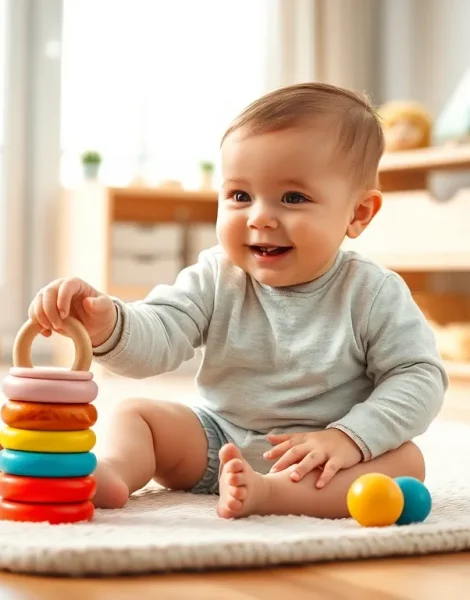
In a world where baby toys often look like they belong in a sci-fi movie, the Montessori approach stands out like a cozy blanket on a chilly night. It’s all about nurturing a child’s natural curiosity and independence, providing them with the tools they need to explore their surroundings. Imagine a baby who learns through play and discovery, not just through flashy gadgets. Sounds like a dream, right?
Montessori isn’t just a method; it’s a lifestyle for little ones. By creating a prepared environment filled with age-appropriate materials, parents can set the stage for their babies to thrive. Think of it as giving them a VIP pass to their own learning adventure. Who knew that fostering independence could be this fun? So, let’s dive into the world of Montessori babies and discover how this approach can transform the early years into a delightful journey of growth and exploration.
Understanding Montessori Principles
Montessori principles focus on fostering children’s natural curiosity. These principles guide the learning process, emphasizing independence and self-directed activity.
The Montessori Method Explained
The Montessori method encourages active engagement in learning. Children explore their environment through hands-on activities that promote sensory experiences. Adults act as guides, supporting children in their discoveries without direct interference. This approach builds problem-solving skills as children learn to navigate challenges independently. The structured freedom within the method creates a balance between guided learning and personal exploration. Consequently, children develop a love for learning that lasts a lifetime.
Key Features of Montessori Education
Montessori education includes several key features that enhance child development. A mixed-age classroom encourages peer learning, allowing older children to mentor younger ones. Materials are purposefully designed for hands-on interaction, promoting sensory engagement and cognitive growth. Freedom of choice empowers children to select activities that interest them. Additionally, the environment is carefully prepared to ensure safety and accessibility, making it conducive for exploration. These features collectively support holistic development, fostering social, emotional, and intellectual skills in each child.
Benefits of Montessori for Babies
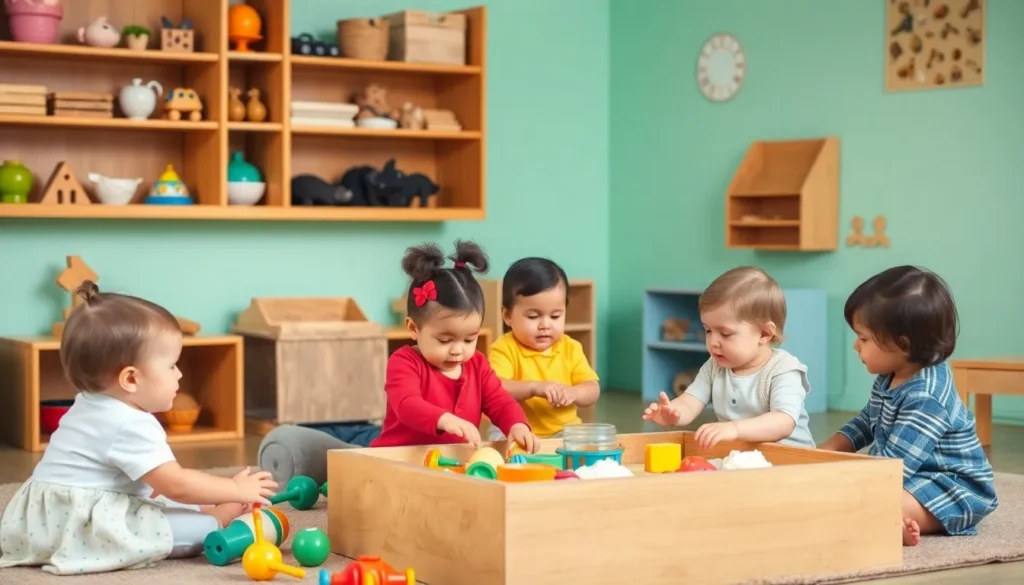
Montessori education offers numerous advantages for infants. This approach nurtures various aspects of a child’s development in a supportive and engaging environment.
Promoting Independence
Independence fosters self-confidence in babies. Through self-directed activities, infants explore their surroundings and choose their play. This autonomy encourages decision-making skills. Choices in materials allow for hands-on learning experiences. By using specially designed resources, infants manipulate objects and engage in purposeful activities. Time spent exploring enhances problem-solving abilities.
Interactive play encourages infants to express their needs without relying solely on adults. The freedom to experiment in a prepared environment leads to a sense of achievement. Gradually, these experiences build a foundation of self-reliance and resilience.
Enhancing Cognitive Development
Cognitive development flourishes in the Montessori approach. Age-appropriate materials stimulate curiosity and encourage exploration. Interactive toys and activities challenge intellect and promote sensory engagement. The hands-on experience fosters critical thinking skills from an early age. Exposure to varied materials enhances cognitive connections and comprehension.
Observing their environment cultivates focus and attention to detail. This observation allows infants to learn from interactions around them. Engaging with peers in mixed-age settings promotes collaborative learning experiences. This communal aspect further stimulates intellectual growth. Thus, the Montessori method effectively supports infants’ cognitive development through active engagement and exploration.
Creating a Montessori Environment for Babies
Creating a Montessori environment for babies involves thoughtful planning and intentional choices. This setup encourages exploration and independence, fostering optimal development.
Essential Montessori Materials
Montessori materials hold a vital role in babies’ learning experiences. Sensory toys, like textured balls and wooden blocks, stimulate exploration. Mirrors enhance self-recognition and motor skills, encouraging movement and curiosity. Soft fabric books with varied textures provide tactile experiences, promoting cognitive development. Graspable objects, such as small baskets filled with natural items, invite open-ended play. Each material serves a purpose, inviting babies to engage and discover.
Designing the Space
Designing the space requires focus on safety and accessibility. Low furniture, such as shelves and tables, enables babies to reach their materials independently. Natural light and open areas enhance the sense of freedom and creativity. Create zones for different activities, allowing for uninterrupted exploration. Soft rugs or mats define play areas, ensuring comfort and safety. Include plants or natural elements to connect babies with their environment. Colors should be calming and materials should be inviting, contributing to a peaceful learning atmosphere.
Choosing Montessori Products
Selecting Montessori products enhances a baby’s learning experience. Focus on items that foster independence, encourage exploration, and support development.
Recommended Montessori Toys
Montessori toys promote sensory exploration and skill development. Wooden blocks, shape sorters, and stacking rings provide opportunities for problem-solving. Sensory toys engage different senses, keeping babies curious and captivated. To support cognitive growth, select toys that allow for open-ended play. Fabric books with varied textures stimulate a baby’s sense of touch, while mirrors encourage self-awareness. Always choose age-appropriate options that align with a baby’s developmental stage to maximize engagement and learning potential.
Safe and Stimulating Furniture
Furniture choices significantly impact a baby’s learning environment. Low tables and chairs allow for easy access, enabling babies to explore their surroundings independently. Adjustable shelving promotes organization, helping little ones reach their materials without assistance. Safety should guide furniture selection; rounded edges and non-toxic finishes protect a baby’s well-being. Incorporating natural light creates an inviting atmosphere, while defined activity zones help children focus on their tasks. Prioritize furniture that supports exploration and comfort, fostering a space where babies can thrive.
Embracing the Montessori approach for babies offers a transformative path to early development. By fostering independence and curiosity in a thoughtfully prepared environment, parents can set the stage for lifelong learning. The emphasis on hands-on experiences and peer interactions nurtures essential skills while ensuring safety and accessibility.
Choosing the right materials and designing a conducive space are crucial steps in this journey. With the right resources babies can explore their world freely and confidently. This method not only enriches their early years but also lays a strong foundation for future growth and exploration. Adopting Montessori principles can truly unlock a child’s potential and create joyful learning experiences.