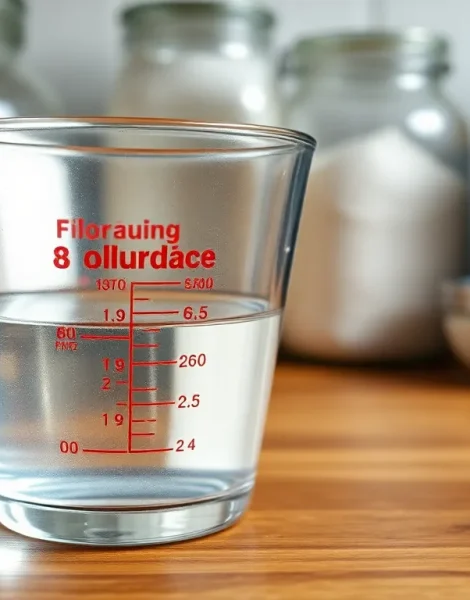
When it comes to cooking and baking, precise measurements can make all the difference. One common question that often arises is how much one cup actually equals in ounces. Understanding this conversion is essential for anyone looking to whip up delicious recipes without a hitch.
In the culinary world, a cup typically holds 8 fluid ounces. However, this simple conversion can sometimes lead to confusion, especially when dealing with dry ingredients versus liquids. Knowing the exact measurement helps ensure that dishes turn out perfectly every time, making it a vital skill for both novice and experienced cooks alike. Let’s dive deeper into this topic and clarify the importance of accurate measurements in the kitchen.
Understanding Cup Measurement
Understanding cup measurement is essential in both cooking and baking. One cup equals 8 fluid ounces, a standard unit of measurement in the United States. This equivalence is crucial for recipes to achieve the desired taste and texture.
Measuring liquids, such as water or milk, is straightforward because their volume directly corresponds to fluid ounces. Accurate liquid measurements rely on measuring cups marked with corresponding ounce indicators.
Measuring dry ingredients, however, requires attention. One cup of flour differs in weight from a cup of sugar. For dry ingredients, measuring by weight often provides more reliable results for recipes. A cup of all-purpose flour weighs around 4.5 ounces, while a cup of granulated sugar weighs about 7 ounces.
Using these specific measurements helps prevent inconsistencies in cooking outcomes. Following recipes with precise measurements ensures better control over the final product. Understanding these distinctions empowers cooks to create successful dishes consistently.
Converting Cups to Ounces
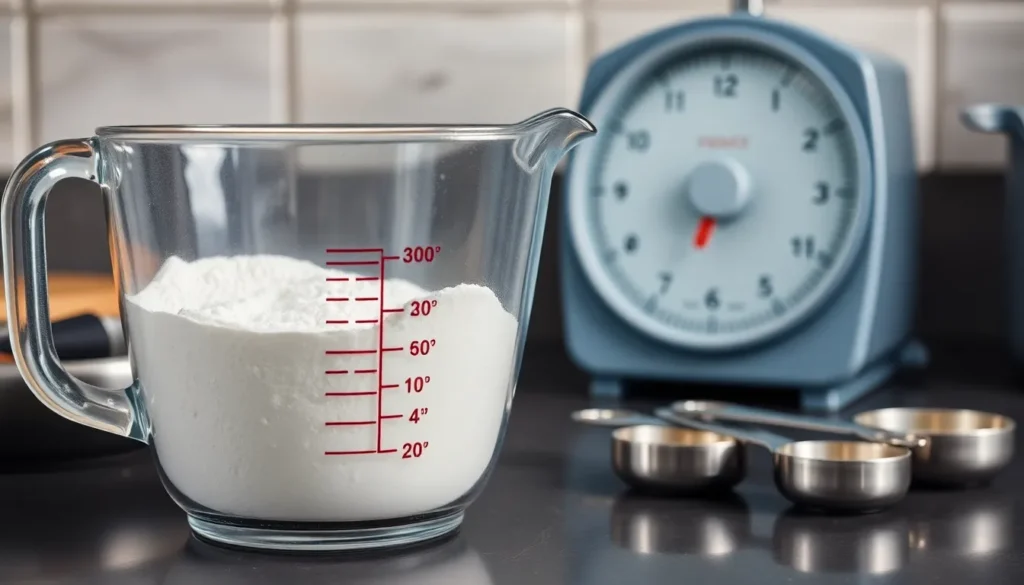
Understanding the conversion from cups to ounces is essential for accurate cooking and baking. One cup equals 8 fluid ounces; however, the weight of dry ingredients varies significantly.
Standard Measurements
Standard measurements serve as the foundation for recipes. A cup consists of 8 fluid ounces, which applies to liquid ingredients. For instance, 1 cup of water or 1 cup of milk measures exactly 8 fluid ounces, making it easy to use measuring cups marked with fluid ounces. Conversely, dry ingredients require careful handling. A cup of flour weighs about 4.5 ounces, while a cup of granulated sugar weighs approximately 7 ounces. Using weight instead of volume for dry ingredients ensures consistent results across various dishes.
Liquid vs. Dry Ounces
Liquid and dry ounces differ in their measurement. Liquid ounces refer specifically to the volume of a liquid and match up accurately with the cup measurement. In contrast, dry ounces measure the weight of dry substances, which varies based on the ingredient. For example, 1 cup of packed brown sugar weighs about 8 ounces, whereas 1 cup of uncooked rice comes in around 6.5 ounces. Weighing dry ingredients helps maintain consistency, particularly in baking, where precision significantly impacts the final product.
Practical Applications
Accurate measurements play a vital role in various culinary tasks. Understanding how many ounces are in one cup aids in achieving consistent results across different recipes.
Cooking and Baking
Cooking and baking rely heavily on precise measurements to ensure that flavors and textures align. For example, a cup of all-purpose flour is about 4.5 ounces, while a cup of granulated sugar measures roughly 7 ounces. These variances necessitate attention during the preparation process.
Additionally, converting cups to ounces provides clarity for standardizing recipes or adjusting portion sizes. When adapting a recipe, knowing that one cup equals 8 fluid ounces simplifies calculations, ensuring proportionality remains intact. Measuring by weight, particularly for dry ingredients, helps maintain consistency, leading to better and more predictable outcomes in cooking and baking.
Beverage Measurements
In beverages, liquid measurements follow a more straightforward approach. One cup equals 8 fluid ounces, making it easy to measure liquids like milk, water, or juice. This uniformity allows for quick conversions in drink recipes and portion sizes.
For example, a standard coffee cup might hold 8 ounces of coffee, while a mixed drink recipe could call for 1 cup of a specific ingredient. Using accurate measurements ensures the right balance, enhancing the flavor profile of cocktails or brewed beverages. Ultimately, understanding how much one cup is in ounces is crucial for precision in both cooking and beverage preparation.
Common Conversion Mistakes to Avoid
Avoiding common conversion mistakes enhances accuracy in cooking and baking. Here are key points to remember:
- Confusing liquid and dry measurements: Liquid ounces and dry ounces measure different concepts. Liquid ounces pertain to volume, while dry ounces refer to weight. Misunderstanding this distinction can lead to incorrect ingredient quantities.
- Assuming all ingredients weigh the same: Different ingredients have varied densities and, therefore, different weights. For example, one cup of flour weighs 4.5 ounces, while one cup of granulated sugar weighs 7 ounces. Not considering these differences can distort recipe results.
- Neglecting ingredient packing: Packing ingredients like brown sugar alters weight. A cup of packed brown sugar typically weighs about 8 ounces, unlike its loosely packed counterpart. Awareness of this packing method ensures more accurate measurements.
- Using volume measurements for baking: In baking, precision is crucial. Relying solely on volume measurements can lead to inconsistent results. Weighing ingredients provides better reliability and control over the final product.
- Forgetting to level off dry ingredients: Always level off dry ingredients like flour or sugar when measuring. A heaping cup misrepresents the intended quantity, leading to unforeseen changes in texture or flavor.
- Using the wrong measuring tools: Different measuring tools must be applied for liquids and solids. Use liquid measuring cups for liquids and dry measuring cups for dry ingredients to obtain accurate measurements.
By understanding these common pitfalls, cooks can improve their measurement accuracy, resulting in more consistent and successful culinary creations.
Understanding the conversion of one cup to ounces is essential for anyone who cooks or bakes. With one cup equating to 8 fluid ounces for liquids the distinction between liquid and dry measurements can’t be overlooked. Accurate measurements lead to consistent results and successful dishes.
By weighing dry ingredients and using the right measuring tools cooks can avoid common pitfalls that often lead to inaccuracies. This knowledge empowers both novice and experienced cooks to create delicious meals with confidence. Embracing these principles not only enhances culinary skills but also elevates the overall cooking experience.