Trying to conceive can feel like a rollercoaster ride, full of ups, downs, and unexpected twists. For many, the journey includes navigating dietary choices, and gluten-free living has become a hot topic. But is ditching gluten the secret ingredient for baby-making success? Spoiler alert: it might just be!
As more people embrace gluten-free diets for health reasons, they’re also discovering its potential benefits during the trying-to-conceive phase. With a sprinkle of humor and a dash of science, this article dives into how going gluten-free could boost fertility and why it might be worth a shot. So grab a gluten-free snack and get ready to explore the world of TTC, where every bite could bring you one step closer to your little miracle.
Table of Contents
ToggleUnderstanding Gluten-Free Diets
A gluten-free diet eliminates gluten, a protein found in wheat, barley, and rye. Many individuals choose this diet due to celiac disease or gluten sensitivity. While it excludes common foods, gluten-free options include fruits, vegetables, meat, fish, dairy, legumes, and grains like rice and quinoa. Identifying dietary sources of gluten plays a crucial role for those adopting this lifestyle.
What Is a Gluten-Free Diet?
A gluten-free diet focuses on eliminating all sources of gluten. This includes avoiding breads, pastas, and pastries that contain wheat. Snacks and sauces may also contain hidden gluten, making label reading essential. Individuals following this diet often seek gluten-free substitutes to enjoy familiar flavors without compromising their health. Proper planning and dietary awareness can help manage this transition seamlessly.
Benefits of Going Gluten-Free
Adopting a gluten-free diet may present several benefits. Enhanced digestive health often tops the list, alleviating symptoms like bloating and discomfort. Improved energy levels are frequently reported, leading to a more active lifestyle. Some studies suggest potential positive effects on fertility, as reducing inflammation can create a more conducive environment for conception. Individuals often notice clearer skin and better overall well-being as additional advantages.
The Connection Between Gluten and Fertility
Research indicates a significant connection between gluten consumption and reproductive health. Individuals with gluten sensitivity or celiac disease often experience complications that may hinder fertility.
How Gluten Affects Reproductive Health
Gluten can trigger inflammation in some individuals, potentially impacting reproductive hormone levels. Inflammation often disrupts ovulation, making conception more challenging. Women may also face irregular menstrual cycles due to gluten-induced complications. Symptoms associated with gluten sensitivity, like fatigue and digestive issues, can further affect overall health and fertility.
Evidence from Recent Studies
Recent studies suggest that a gluten-free diet might positively influence fertility outcomes. One study demonstrated that women with celiac disease who adopted a gluten-free lifestyle saw significant improvements in their reproductive health. Another study showed that removing gluten from the diet correlated with better ovulatory function among women experiencing infertility. Data consistently highlights the importance of evaluating dietary choices for those attempting to conceive.
Who Should Consider a Gluten-Free Diet?
Certain individuals may benefit from a gluten-free diet, especially those facing health issues related to gluten.
Celiac Disease and Other Gluten Sensitivities
Individuals diagnosed with celiac disease must strictly avoid gluten, as it triggers severe autoimmune reactions. Symptoms include gastrointestinal distress, fatigue, and skin rashes. Those with non-celiac gluten sensitivity also experience discomfort but without the autoimmune component. For both groups, eliminating gluten can lead to significant health improvements.
Couples Trying to Conceive (TTC)
Couples trying to conceive may also find a gluten-free diet beneficial. Studies link gluten sensitivity to reproductive health issues, such as irregular menstrual cycles and hormonal imbalances. A gluten-free approach can reduce inflammation, potentially enhancing fertility. Healthier hormone levels lead to more regular ovulation, increasing chances of conception. Consulting healthcare professionals before making dietary changes is essential for tailored advice.
Practical Tips for Going Gluten-Free
Going gluten-free doesn’t have to be overwhelming. With some planning and awareness, individuals can successfully navigate their dietary choices while trying to conceive.
Finding Gluten-Free Options
Explore grocery store aisles for certified gluten-free products. Look for foods labeled as gluten-free, particularly snacks and breads. Check ingredient lists for hidden sources of gluten, such as malt and modified food starch. Research local restaurants that offer gluten-free menus to expand dining options. Utilize apps that specialize in gluten-free restaurant listings to find safe dining places easily. Communicate with store staff for advice on gluten-free products available in the store. By making informed choices, individuals can build a diverse and healthful gluten-free diet.
Meal Planning for a Fertility Focus
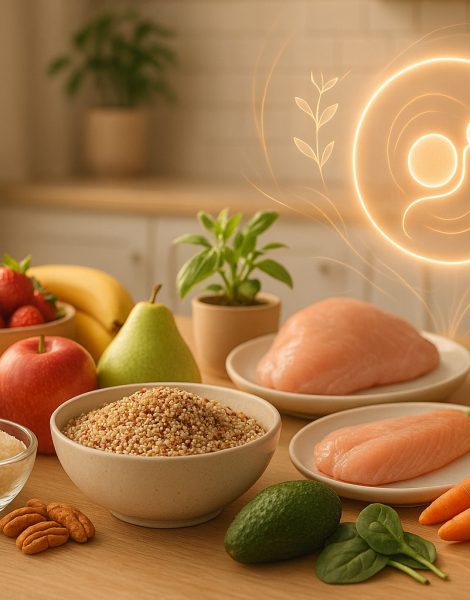
Incorporate a variety of fresh fruits and vegetables into daily meals, as they provide necessary vitamins and minerals. Select gluten-free grains like quinoa and brown rice for balanced meals. Plan weekly menus that include lean proteins, such as chicken or fish, to support overall health. Prepare meals in advance to avoid last-minute gluten-filled temptations. Include healthy fats, like avocados and nuts, to enhance nutrient absorption. Adopt a flexible approach to adjust meal plans based on availability and seasonal ingredients. This strategy ensures nutritional needs are met while promoting fertility.
Conclusion
Adopting a gluten-free diet while trying to conceive can be a beneficial step for many individuals. By reducing inflammation and improving overall health, this dietary change may enhance fertility and support reproductive wellness.
It’s essential to approach this transition thoughtfully and consult healthcare professionals for personalized guidance. With careful meal planning and a focus on whole foods, couples can navigate the gluten-free landscape effectively.
Ultimately, exploring dietary adjustments could play a significant role in their journey toward conception, making it an avenue worth considering for those facing fertility challenges.