
When it comes to childbirth, the choices can feel overwhelming—like trying to pick a favorite child. Should she go for the epidural and embrace the sweet relief of modern medicine, or opt for the natural route and channel her inner warrior goddess? It’s a decision that can spark lively debates among friends and family, often leading to unsolicited advice and passionate opinions.
Overview of Childbirth Options
Expectant mothers encounter two primary choices during childbirth: epidural and natural birth. Epidurals provide effective pain relief and allow women to stay awake and alert during labor. This method involves administering medication through the spine, significantly reducing discomfort.
Natural childbirth, in contrast, embraces a drug-free approach. Women opting for this method often rely on breathing techniques, movement, and support from partners or doulas to manage pain. Various philosophies emphasize the body’s ability to cope naturally during labor, with many aiming for a more intimate experience.
When considering epidural use, it’s vital to weigh potential benefits and risks. This pain management option can affect mobility, complicating positioning during labor. Some reports indicate that epidurals may prolong the labor process, while other studies show diminished maternal satisfaction.
Natural childbirth fosters a sense of empowerment for some women. Many appreciate the unmedicated experience, which can lead to a connection with the baby right after birth. Additionally, recovery time might be quicker for those who choose this path.
Support systems matter greatly in either choice. Knowledgeable healthcare providers and encouraging partners can significantly impact the birth experience’s success and satisfaction. Ultimately, both options offer unique benefits and challenges, making informed discussions essential for expectant mothers.
Understanding Epidurals
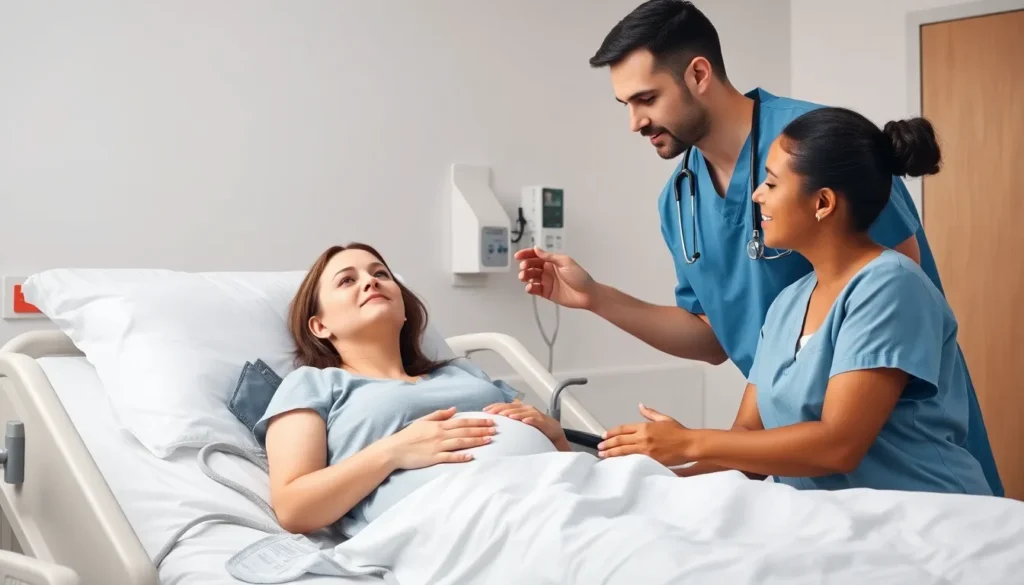
Epidurals provide effective pain management during childbirth. They involve administering anesthesia through a catheter near the spinal cord.
What Is an Epidural?
An epidural is a regional anesthetic that targets the lower body. This method blocks pain in the abdomen and pelvis while allowing the mother to remain awake. Typically, a healthcare professional performs this procedure in a hospital setting. The catheter can remain in place, allowing continuous medication throughout labor. Many mothers appreciate the pain relief offered, enabling them to participate actively in the birth experience.
Benefits of Epidurals
Epidurals deliver significant pain relief, enhancing comfort during labor. They allow women to stay alert and responsive, which can positively impact the overall labor experience. Mobility varies, as some mothers can still change positions with assistance. Epidurals can also reduce stress, which may promote better fetal outcomes. Many mothers also benefit from the continuous presence of healthcare providers during the administration, ensuring safety and support throughout the process.
Risks and Considerations
Epidurals come with potential risks and side effects. Some women may experience a drop in blood pressure, leading to dizziness or nausea. Others report difficulty in moving their legs after administration. Prolonged labor can occur due to decreased mobility, which may necessitate additional interventions. It’s essential for mothers to discuss concerns with healthcare providers to weigh the benefits against potential risks. Understanding these factors can contribute to a more informed decision regarding pain management options.
Exploring Natural Childbirth
Natural childbirth emphasizes a drug-free approach, focusing on the body’s ability to give birth without medical interventions. Expectant mothers may find this method aligns with their personal beliefs or health preferences.
What Is Natural Childbirth?
Natural childbirth refers to delivering without the use of analgesics or anesthesia. Techniques used often include deep breathing, relaxation exercises, and movement. This approach encourages women to trust their bodies during labor. Support from partners or doulas enhances the experience, providing comfort and encouragement when needed.
Benefits of Natural Childbirth
Benefits of natural childbirth include a more active role for mothers in their labor experience. Women often report a greater sense of empowerment post-delivery. Recovery tends to be quicker without the effects of medications, leading to shorter hospital stays. Natural childbirth also minimizes the risk of certain side effects associated with epidurals, such as headaches or prolonged labor. Mothers may experience heightened satisfaction from achieving a drug-free delivery.
Risks and Considerations
Natural childbirth presents potential risks that mothers should consider. Pain intensity can be greater compared to medicated options, requiring considerable mental and physical endurance. Unexpected complications during labor may necessitate medical interventions, impacting the planned experience. Women with specific health issues might also face added risks without pain relief interventions. Planning for a supportive environment can alleviate concerns and enhance the likelihood of a positive experience.
Comparing Epidural and Natural Childbirth
Expectant mothers weigh pain management and health outcomes in choosing between epidural and natural childbirth. Each option presents distinct advantages and challenges.
Pain Management Techniques
Epidurals provide significant pain relief by blocking sensations from the waist down. Many find comfort in the reduced intensity of labor pain, leading to a more manageable experience. Natural childbirth relies on techniques such as breathing exercises, visualization, and physical support. These methods empower mothers, fostering a sense of control during labor. While epidurals may prolong labor due to reduced mobility, natural childbirth often promotes quicker dilation. Both approaches require preparation and support to enhance effectiveness.
Maternal and Infant Health Outcomes
Epidurals may impact maternal mobility and increase the risk of interventions such as forceps delivery. Lower blood pressure occasionally occurs, which can pose risks to the baby. However, studies indicate epidurals reduce overall pain stress, positively affecting maternal experience. Natural childbirth tends to lead to faster recovery times for mothers, with fewer side effects associated with medication. Research shows babies born through natural methods often experience fewer complications at birth. Each approach influences both maternal and infant health outcomes, emphasizing the importance of informed decision-making.
Making the Right Choice for You
Choosing between an epidural and natural childbirth requires careful consideration of various factors. Understanding personal preferences, health conditions, and the overall birth plan guides the decision-making process.
Factors to Consider
Pain management preferences significantly influence the choice of childbirth method. Some women prioritize pain relief, favoring epidurals for their effectiveness, while others prefer a natural approach that emphasizes bodily autonomy. Hospital policies impact the decision, as certain facilities have specific protocols regarding epidural availability. Additionally, previous birthing experiences can shape expectations for pain and comfort levels during labor. Recovery time often factors into the equation, with natural childbirth generally promoting quicker recuperation. Assessing all these aspects helps create a clearer picture of what aligns best with individual needs.
Discussing Options with Your Healthcare Provider
Open communication with healthcare providers plays a critical role in the decision process. Expectant mothers are encouraged to discuss their preferences and concerns regarding both methods. Providers can explain the benefits and limitations of epidurals versus natural childbirth, allowing for informed choices. Questions about potential side effects, labor duration, and postnatal recovery should be addressed during consultations. Understanding personal health conditions and any pertinent medical history guides tailored recommendations. Active participation in discussions ensures that mother’s preferences and health needs are prioritized, leading to a more favorable birth experience.
Choosing between an epidural and natural childbirth is a deeply personal decision that varies for each expectant mother. It’s essential to consider individual preferences and health conditions when making this choice. Both methods offer unique advantages and challenges that can significantly impact the birthing experience.
Support from healthcare providers and loved ones plays a crucial role in navigating this decision. Open dialogue ensures that mothers feel empowered and informed about their options. Ultimately, the right choice will align with each mother’s values and desired birth experience, contributing to a more positive journey into motherhood.