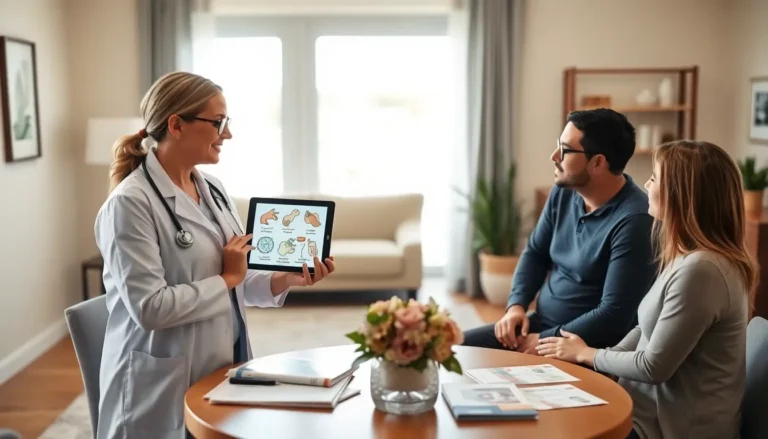
When it comes to starting a family, timing can feel like a game of roulette. Many couples find themselves wondering, “What’s the best time to conceive after certain life events?” Whether it’s post-wedding bliss or recovering from a health hiccup, the journey to parenthood is filled with questions and a sprinkle of confusion. But don’t worry, it’s not rocket science—though some days it might feel that way!
Overview of Conceive After
Conceiving after major life changes can be a complex journey for couples. Understanding the nuances of this experience helps navigate the path to parenthood.
What is Conceive After?
Conceive After refers to the process of starting a family following significant life milestones. Couples may face emotional and physical considerations after events like marriage or health issues. These aspects influence fertility awareness, relationship dynamics, and emotional readiness. Knowledge about individual health conditions also plays a crucial role. Addressing these factors equips couples for informed decision-making.
Importance of Conceiving After
Conceiving after important life events holds significant relevance. Timing impacts healthy pregnancies and child development. Emotional stability can enhance the experience of parenthood. Couples may strengthen their relationships through shared goals and perspectives. Awareness of fertility factors can lead to better health choices, boosting the chances of conception. Support systems, such as counseling, also contribute to a healthier journey into parenthood.
Benefits of Conceiving After

Conceiving after significant life events presents various advantages that enhance the experience of starting a family. Emotional and physical aspects play key roles in this journey.
Emotional Well-Being
Emotional stability greatly contributes to successful parenting. Couples who conceive after major milestones often display improved relationship dynamics. Positive communication patterns develop during this time, fostering trust and cooperation. Furthermore, mental clarity gained from navigating previous challenges prepares individuals for the demands of parenthood. Experiencing readiness leads to better decision-making and stress management. Access to support systems, like therapy, bolsters emotional resilience, providing tools to handle parental responsibilities. Couples can also engage in parenting classes, which enhance their preparedness and confidence.
Physical Health Considerations
Physical health considerations significantly influence fertility and pregnancy outcomes. Couples who conceive after addressing health issues or life changes often experience various benefits. A stable lifestyle, including balanced nutrition and exercise, fosters optimal reproductive health. Medical consultations and screenings ensure that potential risks are managed effectively. Utilizing prenatal vitamins improves health conditions before conception, supporting fetal development. Additionally, prioritizing time between significant events allows the body to recover, optimizing fertility. Couples embracing this thoughtful timing may encounter smoother pregnancies and healthier children, emphasizing the importance of careful planning.
Challenges Related to Conceiving After
Couples face numerous challenges when trying to conceive after significant life changes. Emotional and physical obstacles can greatly influence their journey to parenthood.
Psychological Factors
Anxiety about past experiences can hinder emotional readiness. Couples might deal with feelings of uncertainty surrounding their ability to conceive, especially following stressful life events. Stress management becomes essential, as high levels of stress negatively impact fertility. Relationship dynamics also shift, necessitating open communication and support. Counseling and therapy remain beneficial resources, helping couples navigate their feelings and strengthen their bond. Fostering emotional stability supports their journey, minimizing the psychological hurdles that may arise.
Medical Concerns
Health issues often pose significant challenges when conceiving after major life events. Conditions such as polycystic ovary syndrome and endometriosis affect fertility and may require medical intervention. Maintaining a healthy lifestyle, including balanced nutrition and regular exercise, plays a crucial role in reproductive health. Regular check-ups with healthcare professionals ensure couples understand their unique medical landscape and any fertility treatments available. Prenatal vitamins and supplements further enhance reproductive chances, addressing potential deficiencies. Addressing these medical concerns proactively can lead to improved health outcomes for both parents and children.
Tips for Success in Conceiving After
Focusing on specific strategies can enhance the journey to starting a family after significant life events. Prioritizing both lifestyle changes and professional assistance proves essential for couples.
Lifestyle Changes
Implementing healthy lifestyle changes plays a crucial role in conception after life transitions. Maintaining a balanced diet rich in vitamins and minerals supports reproductive health. Regular exercise improves overall wellness and can enhance fertility. Limiting alcohol, avoiding tobacco, and managing weight contributes positively to health outcomes. Couples benefit from prioritizing stress-reduction techniques like yoga and meditation. Engaging in discussions about nutrition and physical activities fosters a supportive environment. All these factors can significantly optimize the chances of achieving a successful pregnancy.
Seeking Professional Help
Consulting healthcare professionals brings clarity and guidance through the conception process. Scheduling regular check-ups helps address any underlying health issues that may affect fertility. Fertility specialists can provide tailored advice based on individual circumstances. Psychological counseling offers support for emotional readiness, especially when facing apprehensions about past experiences. Participants in support groups often find value in connecting with others on similar journeys. Comprehensive approaches that integrate medical and emotional support contribute to successful conception experiences.
Navigating the journey to parenthood after significant life events can be challenging yet rewarding. By prioritizing emotional and physical health couples can create a supportive environment for conception. Understanding fertility factors and maintaining open communication strengthens relationships and enhances emotional stability.
Incorporating lifestyle changes alongside professional support plays a vital role in optimizing reproductive health. With the right resources and mindset couples can successfully embark on this transformative journey. Embracing the concept of “Conceive After” not only prepares them for parenthood but also enriches their overall experience as they build their family.